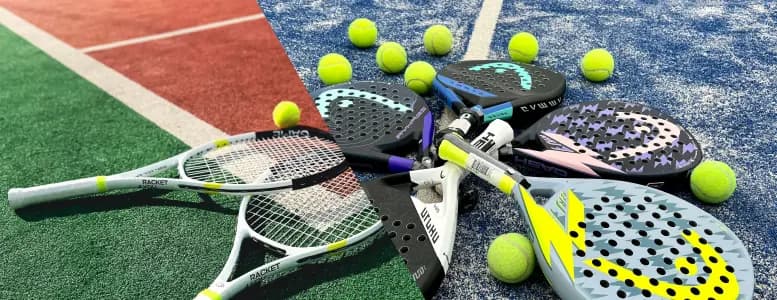
Padel vs Tennis: What are the main differences?
Padel and tennis look like cousins. Same scoring, the same racket-and-ball idea, both played on a rectangular court. But step onto a padel court after years of tennis and it feels like a different sport. So what actually separates padel vs tennis? The court, the gear, the serve and the way you win points are all different. Here is the full breakdown.
Main differences: padel vs tennis
Here is a quick summary of the main differences between padel and tennis.
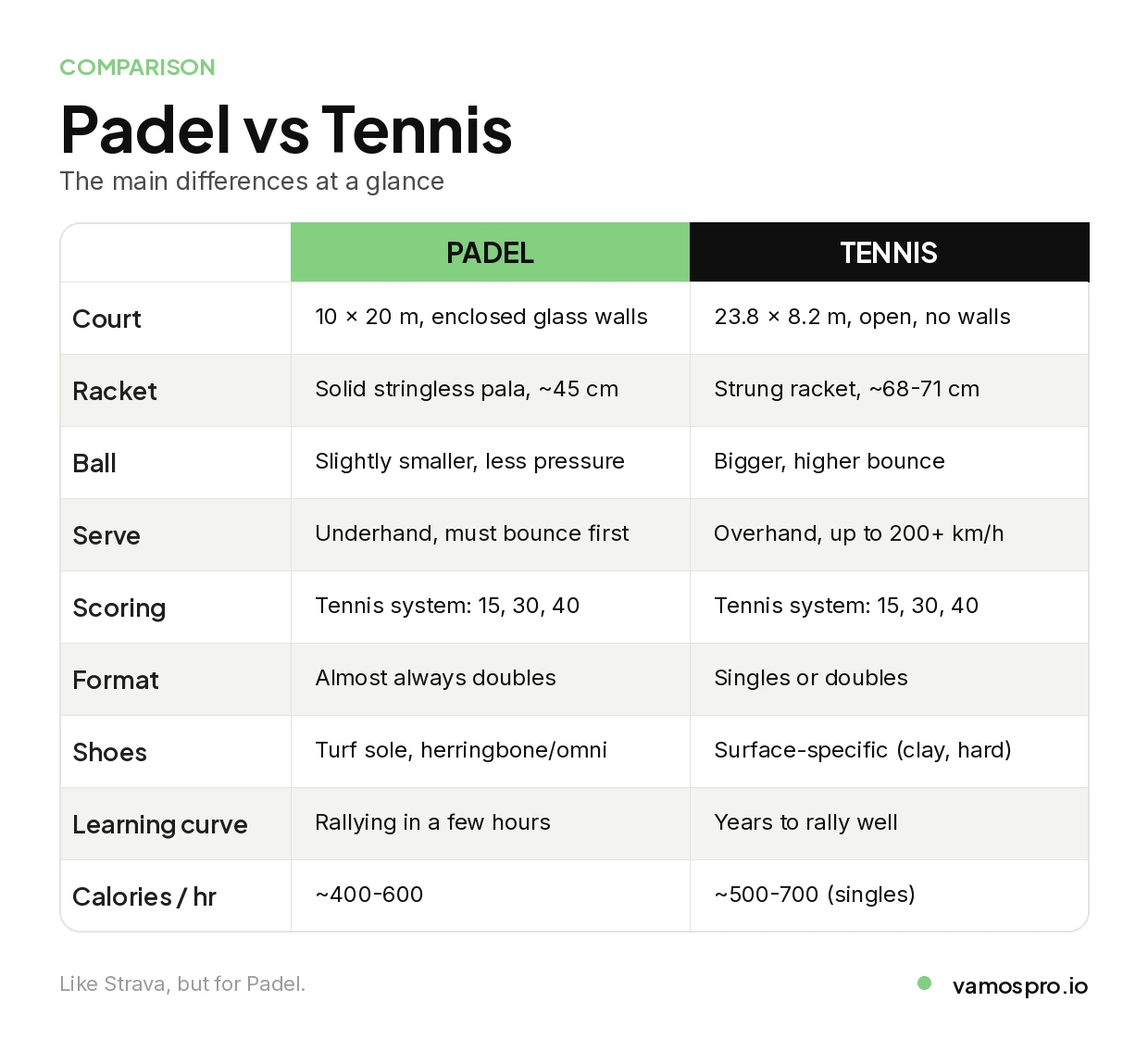
- Padel is played on a smaller enclosed court with walls. Tennis is played on a bigger open court.
- Padel uses a solid stringless pala. Tennis uses a longer strung racket.
- Padel ball vs tennis ball: the padel ball is slightly smaller and has a bit less pressure.
- Both sports use the same 15, 30, 40 scoring, but the padel serve is underhand.
- Padel is almost always doubles. Tennis is often singles.
- Padel is far quicker to learn. Tennis takes years before you rally well.
The court: padel tennis court vs tennis court
The court is where padel vs tennis first feels different. It is smaller, it is boxed in, and those walls are part of the game.
The padel court
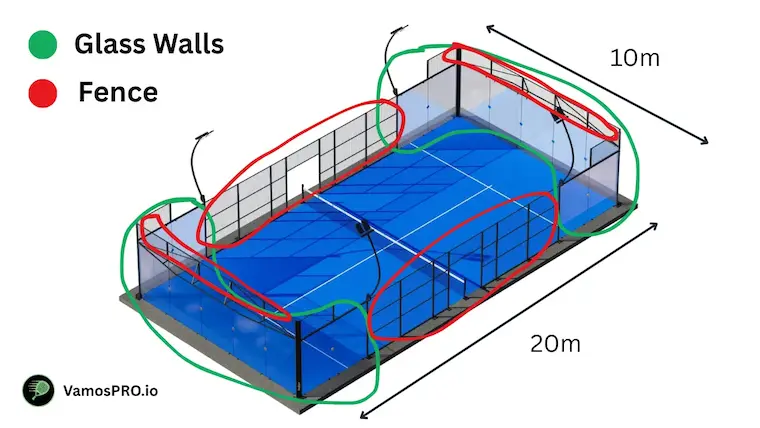
A padel court is 10 metres wide and 20 metres long, enclosed by glass at the back and metal mesh on the sides. The walls are in play, like squash. If the ball bounces on the ground and then off the glass, it is still live, so you turn and play it back. Padel is always doubles, and the whole court is only about a third the size of a tennis court.
The tennis court
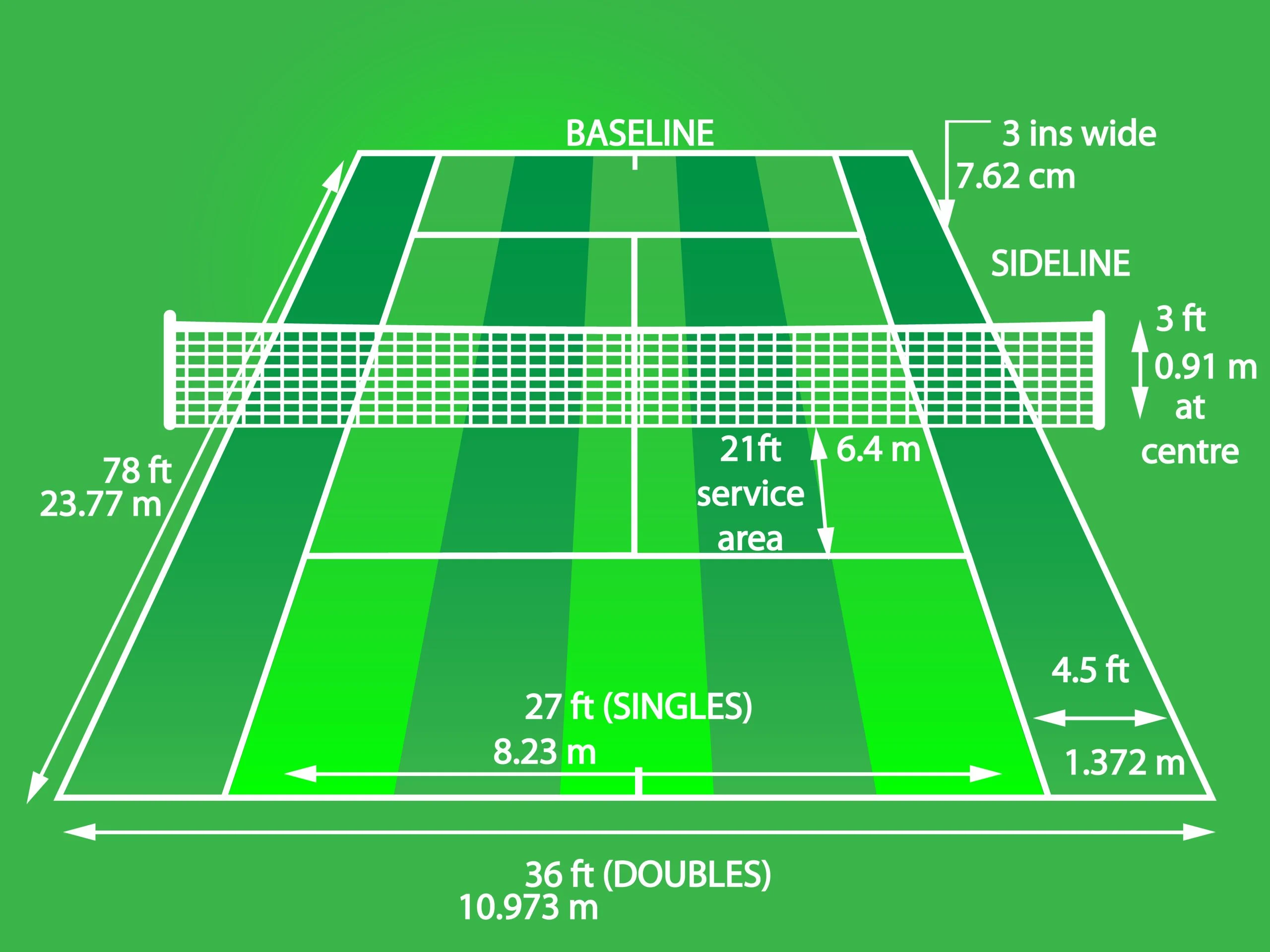
Image reference: PRO Track and Tennis
A tennis court is 23.77 metres long and 8.23 metres wide for singles, widening to 10.97 metres for doubles. It is open, split by a net, with no walls at all. If the ball goes past the line, the point is over. That single fact shapes the whole sport.
So the padel tennis court vs tennis court split is really two things: size and walls. The smaller walled box makes padel rallies longer and keeps you closer to your partner. The big open court makes tennis a game of covering ground.
Rackets: the pala vs the tennis racket
They both hit a fuzzy ball, but this is another spot where padel vs tennis go their separate ways. A padel pala and a tennis racket barely feel related.
Padel's solid pala
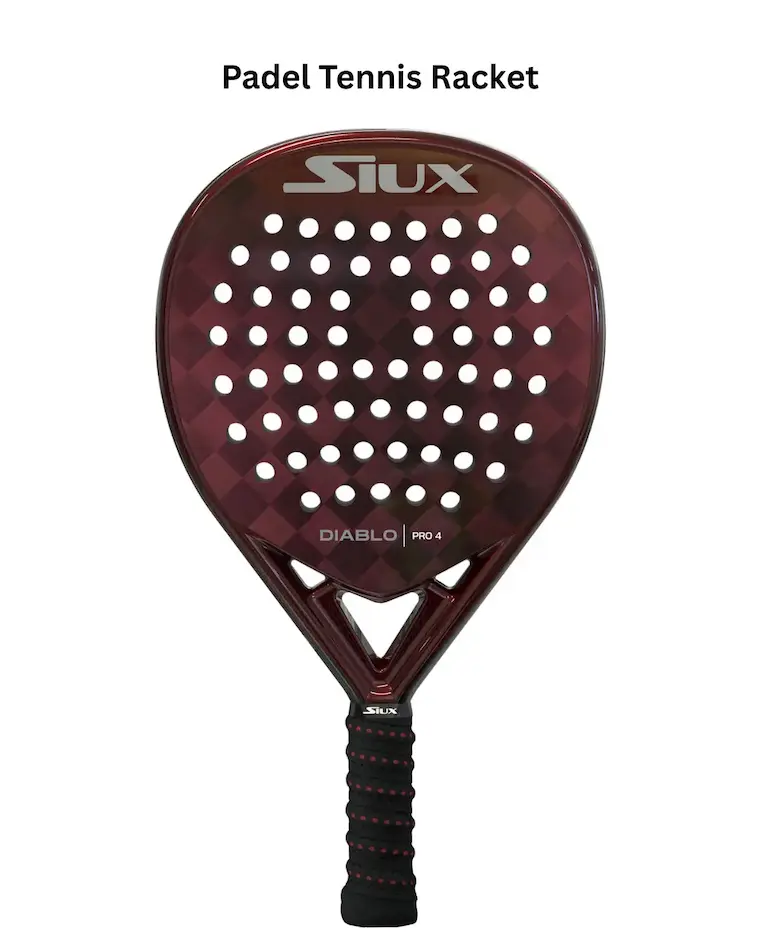
A padel racket is about 45 to 46 centimetres long, roughly half the length of a tennis racket. It has no strings. Instead it is a solid plate of carbon or fibreglass over a foam core, with holes drilled through the face for grip and airflow. The pala does not flex, so all the power comes from you. In padel you usually want control, not power.
The tennis racket
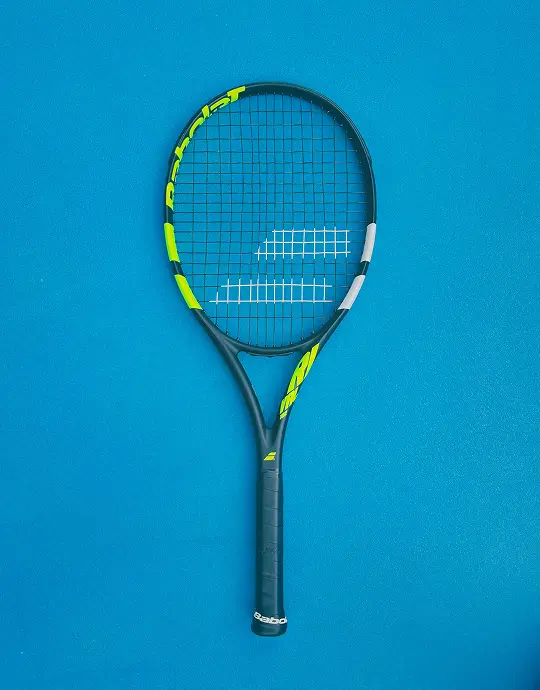
A tennis racket runs 68 to 71 centimetres and is strung. The strings do a lot of the work, adding power and spin on every shot. Both rackets weigh about 350 to 380 grams, but the feel could not be more different. Tennis rewards a long, fast swing. Padel rewards a short, controlled one.
Padel ball vs tennis ball
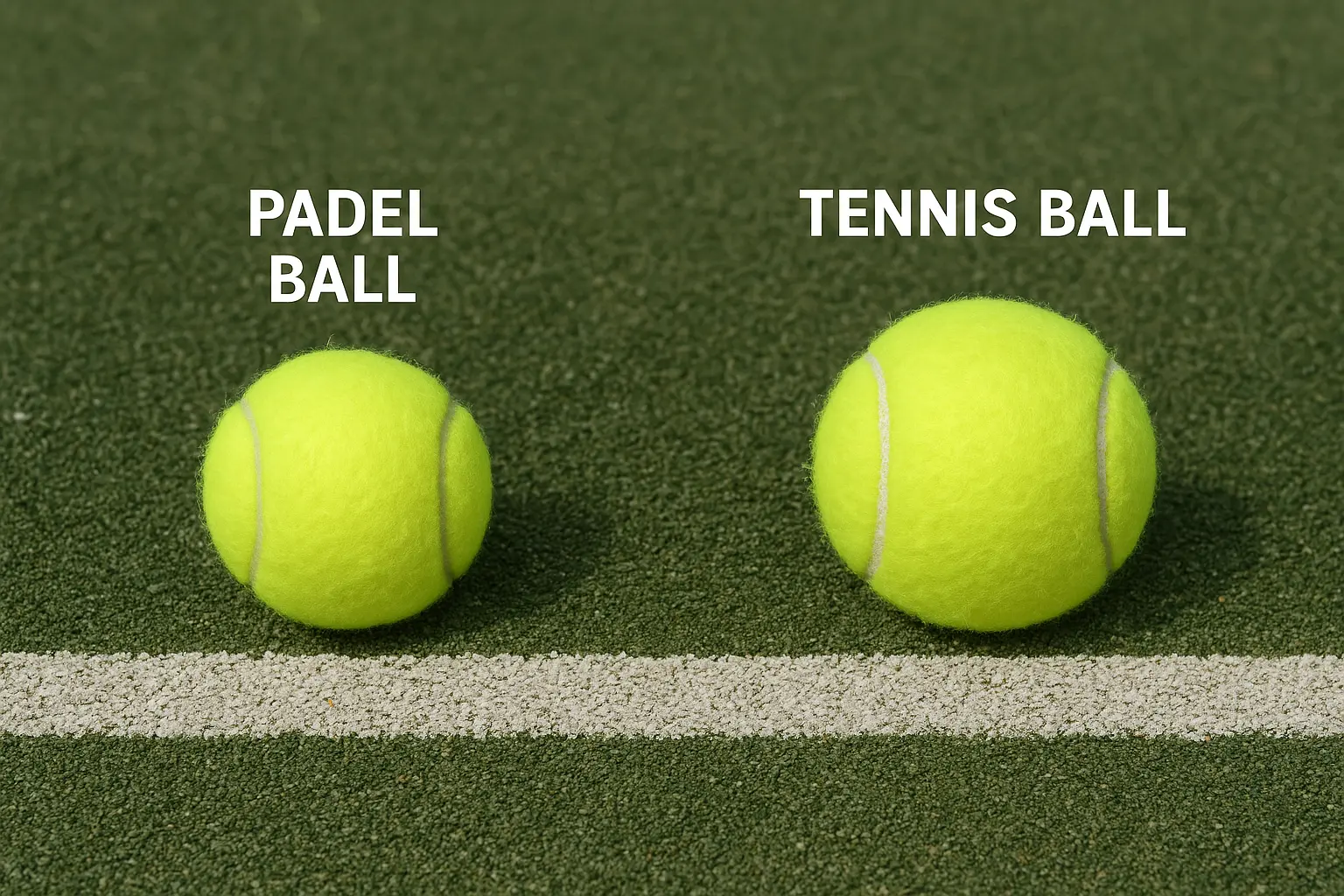
Image reference: Padel PFS
The balls look like twins, but they are not.
- Padel ball: Slightly smaller than a tennis ball with a little less internal pressure, so it bounces a touch lower. That keeps the game controllable when the ball comes off the glass at pace.
- Tennis ball: A bit bigger with more pressure and a higher, livelier bounce, built for a large open court and faster, flatter hitting.
You cannot really swap them. A padel ball is made for the enclosed game, and a tennis ball bounces too high off the glass to play the padel way.
Padel shoes vs tennis shoes
Shoes are the difference people forget, and it mostly comes down to the surface.
Padel is played on sand-dressed artificial turf, so padel shoes use a herringbone or omni sole that grips the turf and clears the sand, with strong lateral support for constant side-to-side movement. Tennis shoes are built for the surface you play on, whether that is clay, hard court or grass. The closest match to a padel shoe is a clay-court tennis shoe, because clay soles use a similar herringbone pattern.
Can you use tennis shoes for padel? For a first session, yes. Longer term, a proper padel shoe grips the turf better and slips less, which matters when you are changing direction all game.
Rules: padel vs tennis
Most of the scoring is shared in padel vs tennis. The serve and the walls are where the two split.
The serve
In tennis you serve overhand, and the serve is the biggest weapon in the game. Pros hit it well over 200 km/h, and for beginners it is often the hardest thing to learn, sometimes taking months.
In padel you serve underhand, from below waist height, and the ball has to bounce once on your side first. Anyone can serve after ten minutes on court. Because the serve is gentle, points start as rallies instead of ending on an ace, and no single player dominates a match on serve alone. For the full mechanics (feet, bounce, box), see how to play padel.
Scoring
Padel scoring is the tennis system you already know. 15, 30, 40, deuce, advantage, game, with six games to a set and matches usually best of three. The one twist is that many padel clubs and tournaments use a golden point, a single sudden-death point at deuce instead of playing advantages. Learn tennis scoring and you have learned padel scoring.
The walls
This is the defining rule and the biggest gap in padel vs tennis. In padel the ball stays alive off the back and side glass, so a shot that would be a clean winner in tennis is just a rebound you chase down and return. Rallies last longer, position matters more than power, and reading the ball off the wall is the trickiest skill to learn.
Fitness: calories burned padel vs tennis
On calories burned padel vs tennis, tennis singles usually edges it. A hard singles hour burns somewhere around 500 to 700 calories, against roughly 400 to 600 for a typical social padel match, mostly because tennis singles has more sprinting and explosive hitting.
But that is not the whole story. Padel keeps you moving more continuously with fewer dead points, so in doubles the two land close together. Padel is also gentler on the knees and, for a lot of people, far easier to keep doing three times a week. The most effective sport for your fitness is the one you actually keep playing, and padel's social, addictive side does a lot of that work for you.
Which should you play?
If you are an adult picking up a racket sport and you want to rally and have fun fast, padel is the easy call. If you want a deep individual challenge with a century of tradition behind it, tennis is hard to beat. The tennis vs padel choice is not really a rivalry, though. Tennis players cross over to padel quickly because their net play and ball sense carry straight over, and padel builds a fitness base that helps their tennis. If pickleball is also on your list, the padel vs pickleball breakdown covers that one too. That is the honest answer to padel vs tennis: the two sports complement each other more than they compete, and plenty of people simply play both.
Frequently Asked Questions
Is padel easier than tennis?
Yes, especially at the start. In the padel vs tennis comparison, padel is the gentler entry: the underhand serve, the smaller court and the walls all forgive mistakes, so most people are in real rallies within a few hours. Tennis, by contrast, can take years before you rally comfortably, largely because of the overhand serve and the ground you have to cover.
What is the difference between a padel court and a tennis court?
Size and walls. A padel court is a 10 by 20 metre box enclosed in glass and mesh, and those walls are in play. A tennis court is far bigger, open, and split by a net, so once the ball passes the line the point is over. Padel is doubles only, while tennis is played as singles or doubles.
Can I use tennis shoes for padel?
For your first few sessions, yes. But the padel shoes vs tennis shoes gap shows up quickly on turf. Padel shoes grip the sand-dressed surface better and give you more lateral support, so once you are playing regularly they are worth it. A clay-court tennis shoe is the best stand-in if you already own one.
Is a padel ball the same as a tennis ball?
Almost, but not quite. A padel ball is slightly smaller with a little less pressure, so it bounces lower and stays controllable off the glass. A tennis ball bounces higher and is built for the open court, which is why the two are not really interchangeable.
Does padel or tennis burn more calories?
Tennis singles usually burns slightly more per hour, around 500 to 700 versus roughly 400 to 600 for a casual padel match. In doubles they are close, since padel keeps you moving with fewer breaks between points. Padel is also lower impact, which makes it easier to play often.
Can tennis players switch to padel?
Easily. In the tennis vs padel crossover, your ball sense, volleys and footwork all transfer, so you will rally on day one. If you want the full primer on what padel is from a tennis background, that guide walks through the walled court, the pala and the doubles-only format. The two new habits are serving underhand and learning to read the ball off the walls, and both click within a few sessions.