PADEL
What is padel? The racket sport, explained
A plain answer to what padel is: the walled court, the tennis-style scoring, and why this racket sport is booming everywhere right now.
- ✓Doubles only, four players on a 10x20m enclosed court
- ✓Glass and mesh walls stay in play, like squash
- ✓Underhand serve, with scoring lifted straight from tennis
- ✓Easy to pick up in one session, hard to master
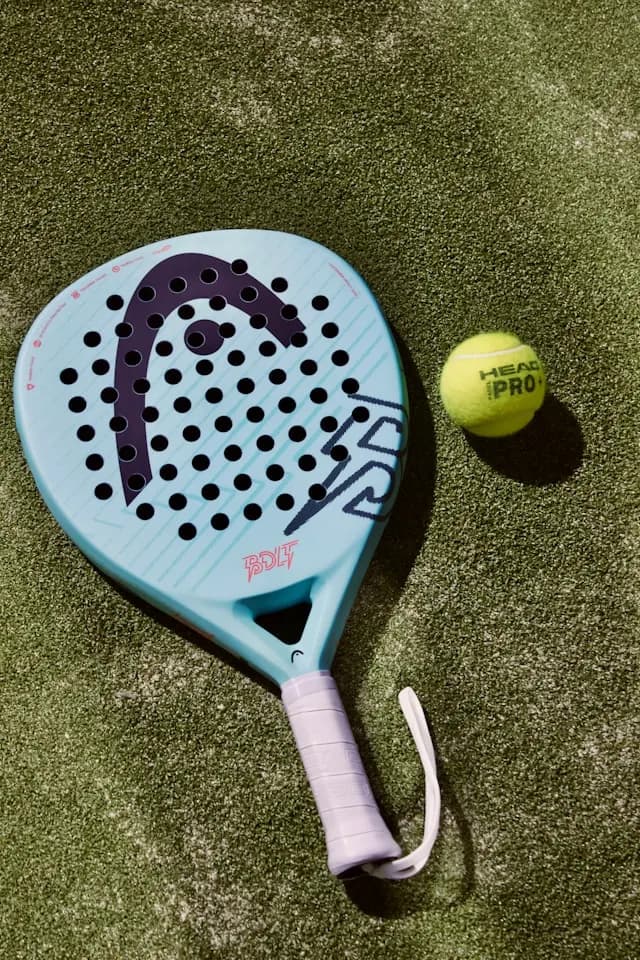
A sport built around walls
What is padel sport really about? It plays out inside a glass box, so a ball that flies past you off the back glass is still in play. You turn, let it rebound off the wall, and hit it back. That single rule changes the whole game. Points last far longer than in tennis, a deep lob into the corner becomes a real weapon, and reading the bounce matters more than swinging hard. It is the part tennis players take longest to get used to, and the part most people end up loving.
Tennis scoring, gentler serve
If you know tennis you already know the score. The padel game runs on 15, 30, 40, game, with deuce and advantage when it is tight, and six games takes a set. See the padel rules for the full breakdown. The one big difference is the serve. You bounce the ball behind the line and hit it underhand at or below your waist, so nobody is firing 200kph aces past you. Serving is about starting the rally, not ending it, which is exactly why a first-timer is never left standing there watching the ball go by.
Fun from your first hit
Most people can rally on day one, which almost never happens in tennis. The walls keep the ball alive and the small court means you are always near the action, so beginners and stronger players can share a court and both have a good time. That low barrier is why the padel racket sport has jumped from Spain and Argentina to clubs in more than 90 countries, with new courts opening faster than most cities can build them.
HELP
Questions,
answered.
What is padel in simple terms?+
What is the difference between padel and tennis?+
What does padel mean?+
Is padel the same as pickleball?+
Is padel easy to learn?+
What equipment do you need to play the padel game?+